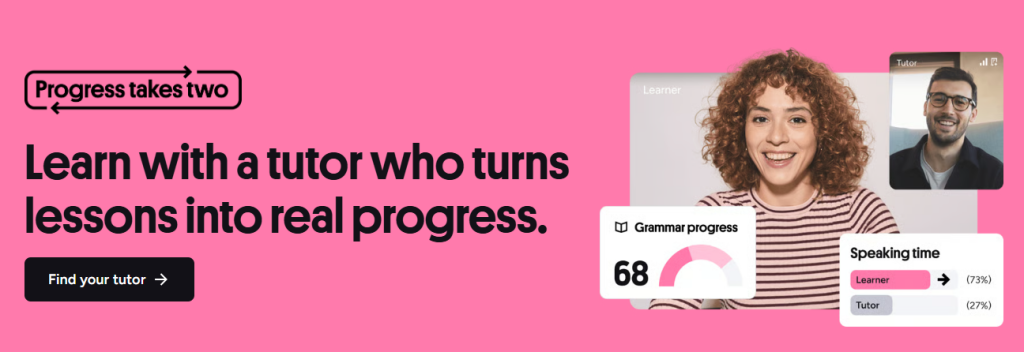
Preply Subscription Plans are the part of the platform that turns a one-time search for a teacher into an ongoing study routine. Preply was founded in 2012, is headquartered in Barcelona, and lists well over 100,000 independent tutors across more than 120 subjects. It is best known for language lessons, but its billing structure is what sets it apart from services that sell single sessions or fixed bundles. Learners browse tutor profiles, book a trial lesson, and, if the match works, move into a recurring plan tied to that one teacher. That arrangement shapes cost, flexibility, and the pace of progress, so it deserves closer attention than the headline hourly rates usually get. This review looks at how the plans operate, what the classroom and AI practice tools add, where the model creates friction, and which learners are likely to benefit most. It draws on information published by Preply and by independent reviewers during 2026.
How Preply Subscription Plans Are Structured
A Preply subscription is an agreement between one student and one tutor. Every 28 days the learner is charged automatically for a fixed number of lessons with that teacher. The renewal date counts from the first payment rather than the calendar month, so the billing cycle drifts slightly against ordinary pay dates. Preply’s help centre states that standalone one-time lesson packs are not sold, including through customer support, and that all lessons are accessed through a recurring plan. The company explains the choice by pointing to the learning benefits of regular sessions with the same tutor. After a trial lesson, students are offered plans that differ in weekly frequency. Independent reviews describe the entry level as about four lessons per cycle, with higher tiers extending to roughly five lessons per week. Lesson length can also be adjusted after the subscription starts, so the same total study time can be divided into shorter or longer sessions.
Preply Trial Lessons and the Path Into a Plan
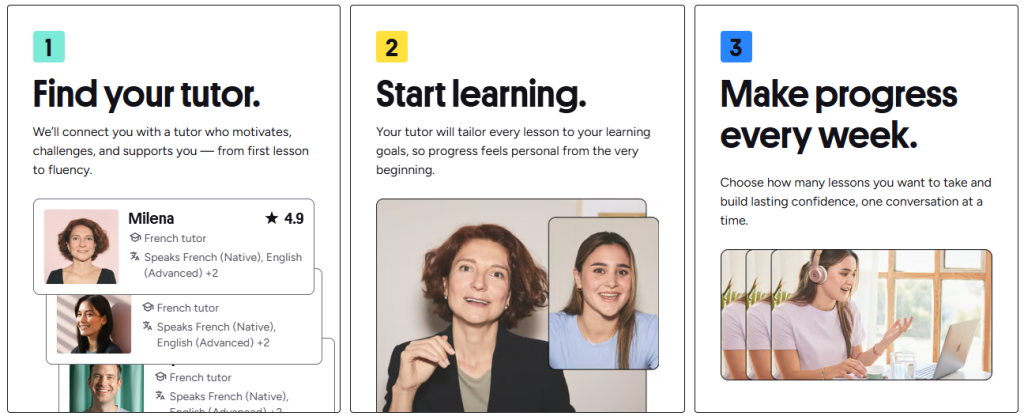
Nobody has to commit to a plan before meeting a tutor, because Preply’s model begins with a trial lesson. Learners search by language or subject and can narrow results by price, availability, native language, specialty, and certification. They can then read reviews and watch the short introduction videos tutors upload to their profiles. Those videos are among the most useful tools on the site, since teaching style, accent, and patience are hard to judge from text alone. Many tutors discount their first session, which lowers the cost of testing two or three candidates before settling on one. Publicly available descriptions also mention a satisfaction guarantee on the first lesson, under which Preply helps arrange a replacement tutor if the experience falls short. The exact terms can change, so they should be checked on the current help pages. Once a learner decides to continue, the platform presents the subscription choices.
Preply Pricing Realities for Subscription Buyers
Because tutors set their own rates, the cost of Preply Subscription Plans varies widely. Third-party pricing guides place typical English tutoring somewhere between the mid-teens and the mid-twenties in US dollars per hour. Less common languages, exam preparation, and highly credentialed teachers can exceed fifty dollars. Geography also matters. One independent cost analysis found that Spanish tutors based in Spain charge roughly a third more on average than those in Colombia, which is a real saving for learners with no accent preference. As a simple illustration, a tutor charging twenty dollars an hour on a four-lesson cycle would produce a bill of about eighty dollars every 28 days, before any platform fee. Some reviewers report a one-time fee on the first lesson with a new tutor, and exact figures differ by region and over time. The checkout page is therefore the reliable source for the final amount.
Preply Classroom and Lesson Insights Inside the Plan
Every lesson in a plan runs through Preply’s built-in classroom, which combines video conferencing, screen sharing, a whiteboard, file sharing, and chat. This removes the need to coordinate a separate meeting tool, and reviewers generally find the environment dependable on both desktop browsers and the mobile app, although some users report occasional glitches. Around that classroom, Preply has added AI-assisted features meant to extend learning beyond the live session. Lesson Insights summarizes each lesson, highlighting vocabulary, grammar points, and areas for improvement. Daily Exercises generate practice material from recent lessons and stated goals, and Scenario Practice offers conversation rehearsal. Learners can also message their tutor between sessions and review vocabulary inside the app. These tools make the subscription feel more complete than a simple directory of teachers.
Preply Flexibility and the Limits of the Subscription Model
Preply presents its plans as adjustable. Students can change their lesson frequency from one billing period to the next, alter lesson duration, and pause or cancel according to the platform’s terms. That helps people with irregular work or school schedules, since intensity can rise before an exam and fall during a busy month. The recurring structure still creates friction in several places. Anyone who wants to buy a handful of lessons once, without ongoing billing, has no route to do so. The 28-day cycle can be confusing for people who budget by calendar month. Because each subscription is tied to a single tutor, changing teachers means starting a new arrangement and, in some cases, new fees. Independent reviewers frequently identify the subscription model as the weakest side of an otherwise well-regarded service.
Who Benefits Most From Preply Subscription Plans
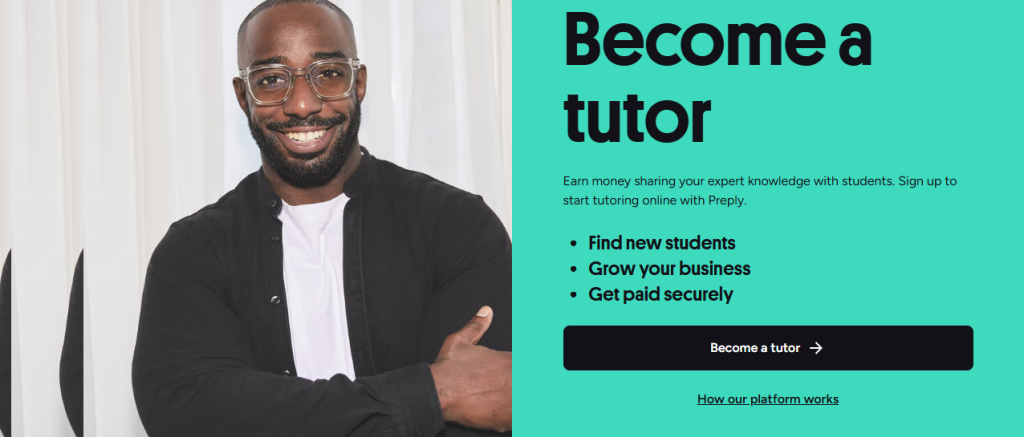
The structure suits learners who already know they want steady, scheduled instruction. Adults preparing for English proficiency tests, professionals building business vocabulary, and students returning to a language after years away all benefit from a regular rhythm and a teacher who remembers earlier lessons. Parents looking for subject help in areas such as mathematics, programming, or music can use the same model, although languages remain the platform’s deepest pool of tutors. Learners with unpredictable calendars or very small budgets may find the commitment less comfortable. Those who prefer entirely self-paced study may also find a conventional language app cheaper and simpler. Preply Subscription Plans reward effort on the learner’s side too. Picking the tutor carefully during trial lessons, setting a concrete goal, and completing the practice between sessions all affect how much value each billing cycle delivers.
Preply Within the Wider Online Tutoring Market
The online tutoring field includes several established marketplaces, and comparisons with italki, Cambly, Verbling, and Wyzant come up often in reviews. italki is usually described as cheaper per hour, with the option to book single lessons or small packages from a teacher. Cambly leans toward conversation practice under a monthly subscription, and Wyzant emphasizes comparison shopping among academic tutors. Preply’s position sits between a pure marketplace and a structured program. It offers a very large tutor catalogue and a classroom built for the purpose, plus AI-supported practice and a billing model designed to encourage regularity. Its commission-based arrangement with tutors also shapes the supply side, which explains both the breadth of choice and the variation in quality that reviewers mention.

