

Are you ready to unlock the secret to a wagging tail and boundless energy? Choosing the right dog food can be as puzzling as deciphering your pup’s quirky bark! With so many options on the market, it’s easy to feel overwhelmed. But fear not, fellow dog lover! In “The Ultimate Guide to Tails: Choosing the Best Dog Food for Your Furry Friend,” we’ll take you on a journey through the world of canine nutrition. From kibble conundrums to wet food wonders, we’ll help you navigate ingredient labels like a pro and discover what truly makes tails wag with joy. So grab a treat (for both you and your furry companion) and let’s dive into everything you need to know about keeping your best friend healthy, happy, and thriving!
Understanding Your Dog’s Nutritional Needs
Every dog is unique, and so are their nutritional needs. Factors like age, weight, activity level, and breed play a crucial role in determining what your furry friend requires for optimal health. Puppies need more protein and calories to support their rapid growth. Adult dogs may require a balanced diet that maintains energy levels while preventing obesity. Senior dogs often benefit from specially formulated foods that are easier to digest. Don’t forget about the importance of hydration! Fresh water should always be available alongside food choices. Allergies or sensitivities can also dictate dietary requirements. Some dogs thrive on grain-free diets; others do best with specific proteins or limited ingredient options. Understanding these varying needs helps you make informed decisions when selecting the right food for your canine companion.
Factors to Consider When Choosing Dog Food
Choosing the right dog food can feel overwhelming. Your dog’s age, size, and breed are crucial factors to consider. Puppies have different nutritional needs compared to seniors or adult dogs. Health conditions also play a significant role in food selection. If your pup has allergies or sensitivities, you’ll need to find specialized options that cater to those requirements. Don’t forget about personal preferences! Some dogs may be picky eaters while others will devour anything you put in front of them. Finding a flavor they enjoy can make mealtime much more enjoyable for both of you. Lastly, think about your lifestyle and budget. Premium brands often come with higher price tags but might offer better nutrition than cheaper alternatives. Balancing quality and cost is essential for keeping your furry friend healthy without breaking the bank.
Age, size, and breed of your dog

When selecting the right dog food, consider your furry friend’s age. Puppies have different nutritional requirements compared to adults and seniors. They need more protein for growth, while older dogs may benefit from diets lower in calories but rich in fiber. Size matters too. Small breeds often require calorie-dense foods since they have faster metabolisms. On the other hand, large breeds might thrive on formulas designed to support joint health and maintain a healthy weight. Breed also plays a crucial role. Different breeds can be prone to unique health issues that certain ingredients may help mitigate or exacerbate. For example, some may do better with grain-free options due to sensitivities. Understanding these factors ensures you choose a diet tailored specifically for your dog’s needs, promoting overall health and well-being as they grow through each life stage.
Health conditions and dietary restrictions
Many dogs face specific health conditions that require careful dietary considerations. For instance, those with allergies might need a limited ingredient diet to avoid triggering reactions. Grain-free options are popular for sensitive stomachs, but it’s crucial to consult your vet before making any changes. Weight management is another common concern. Dogs prone to obesity benefit from low-calorie diets or weight-control formulas. High-fiber foods can help them feel full without excess calories. Dogs with kidney disease may require special diets lower in protein and phosphorus. In contrast, older dogs often need more easily digestible ingredients to support their aging systems. Always tailor your dog’s food choices based on their unique needs and preferences. A well-informed decision can significantly enhance their quality of life while keeping them happy and healthy.
Personal preferences and taste
When selecting the perfect dog food, personal preferences and taste matter more than many pet owners realize. Just like humans, dogs have their unique likes and dislikes. Observing your furry friend while they eat can provide valuable insight. Some dogs may prefer dry kibble due to its crunchy texture, which helps keep their teeth clean. Others might lean toward wet or canned food for its rich aroma and softer consistency. Pay attention to what excites your pup during mealtime. Additionally, don’t forget about flavors! Chicken, beef, lamb—each has a distinct appeal. Experimenting with different protein sources can lead you to discover your dog’s favorite dish. Remember that dietary preferences might evolve over time too. A once-picky eater could develop an affinity for new tastes as they grow older or experience changes in health needs. Tailoring meals according to these factors ensures both satisfaction and nutrition for your companion.
Ingredients to Look for in High-Quality Dog Food
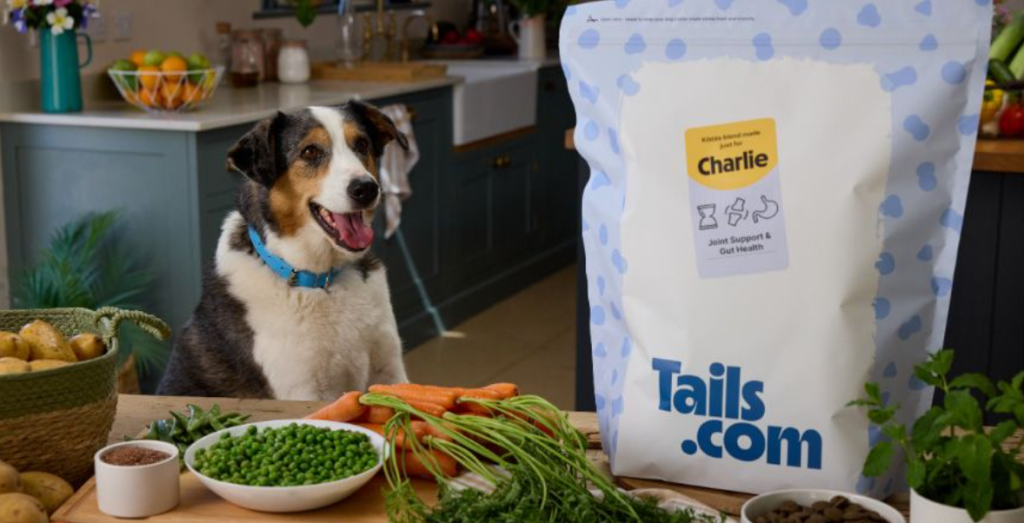
When selecting high-quality dog food, start with whole ingredients. Look for named proteins like chicken, beef, or fish as the primary ingredient. These provide essential amino acids that support your dog’s overall health. Next, include wholesome grains or vegetables such as brown rice or sweet potatoes. These complex carbohydrates deliver energy while being gentle on your pup’s digestive system. Don’t overlook healthy fats. Ingredients like fish oil and flaxseed are rich in omega-3 fatty acids, promoting a shiny coat and healthy skin. Also check for added vitamins and minerals. They play a crucial role in maintaining optimal health and preventing deficiencies. Finally, avoid artificial additives, colors, and preservatives. Opting for natural options ensures you’re feeding your furry friend the best possible nutrition without harmful substances lurking in their food bowl.
Tips for Introducing New Foods to Your Dog’s Diet
Introducing new foods to your dog’s diet can be exciting but requires a little finesse. Start slow. Mix a small amount of the new food with their current favorite for about a week. This helps them adjust without overwhelming their digestive system. Pay attention to how your furry friend reacts. Look for signs like increased energy or any adverse reactions, such as upset stomachs or unusual behavior. Consider timing too; pick moments when your dog is calm and relaxed during mealtime. It’s also beneficial to maintain consistency throughout this transition process. Involve treats sparingly as positive reinforcement when they accept the new flavor. Remember that patience is key, so don’t rush the change if they’re hesitant at first—every pup has its own pace!